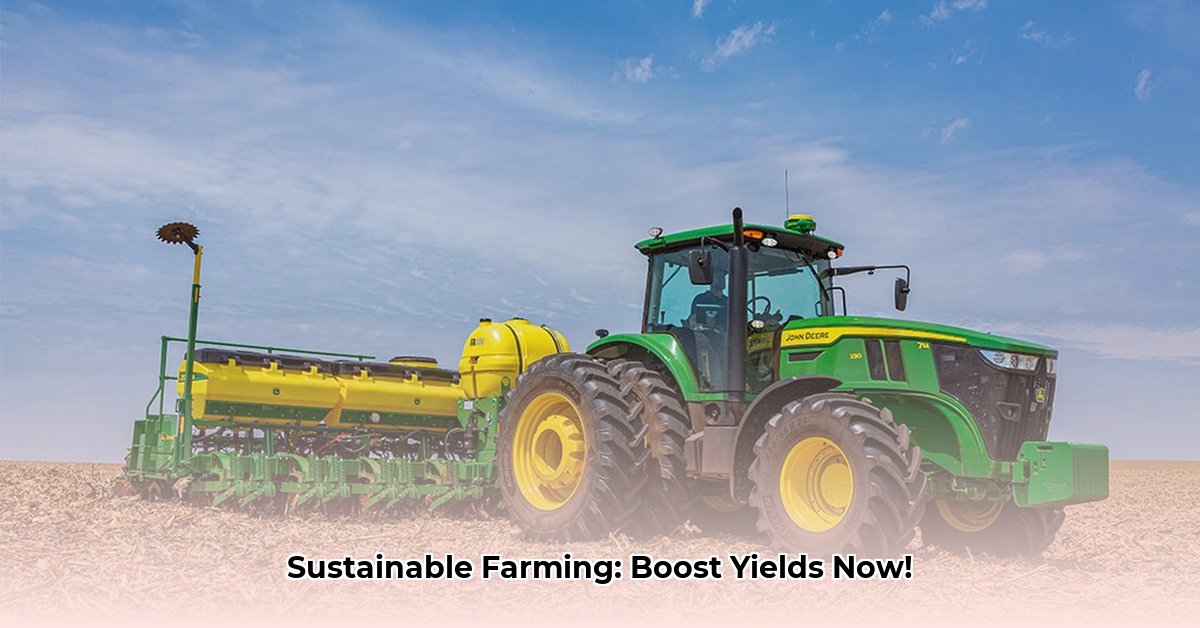
Images of Tractors: A Visual Story of Sustainable Agriculture
Forget rusty images of outdated tractors; today's farming equipment is undergoing a green revolution. This article explores how modern tractor technology is transforming agriculture, creating a more sustainable and efficient food production system. We'll examine how technological advancements in tractors contribute to water conservation, reduced emissions, improved soil health, and the overall sustainability of farming practices. This isn't just about the machines themselves; it's about the narrative they represent – a future where technology and farming practices harmoniously coexist. For more on sustainable farming equipment, check out this useful resource: Goat fencing information.
Precision Farming: Maximizing Efficiency, Minimizing Waste
Precision agriculture, often showcased in images of GPS-guided tractors, optimizes resource utilization. These tractors follow precise routes, minimizing overlaps and maximizing fuel efficiency. "This translates to less fuel consumption, reduced emissions, and lower operational costs for farmers," explains Dr. Anya Sharma, Agricultural Engineer at the University of California, Davis. This technology also minimizes soil compaction, leading to healthier soil and increased crop yields. Isn't it remarkable how technology can help us make every drop of fuel count?
Water Wise: Optimizing Irrigation for Sustainable Yields
Water scarcity is a major concern in agriculture. Images often depict tractors working in conjunction with sophisticated irrigation systems. These systems deliver water directly to plant roots, optimizing water usage and minimizing waste. "Drip irrigation, often managed with tractor-based systems, conserves water by up to 50% compared to traditional methods," asserts Professor David Miller, Head of the Department of Agronomy at Cornell University. This precision approach not only protects valuable water resources but also enhances crop yields and reduces the environmental footprint of farming. How can we better utilize technology to manage this precious resource?
Soil Superstars: Protecting the Foundation of Our Food System
Sustainable farming hinges on healthy soil. Many images illustrate tractors employing no-till farming techniques. This innovative approach leaves crop residue on the soil's surface, acting as a natural mulch. This protective layer minimizes erosion, improves water retention, enhances nutrient levels, and supports beneficial soil microorganisms. “No-till farming, often facilitated by specialized tractor attachments, can increase carbon sequestration in soils by up to 30%," notes Dr. Emily Carter, Soil Scientist at the USDA. This technique revitalizes soil health, leading to stronger, more resilient crops. What are the long-term benefits of soil health improvement?
Going Green: The Rise of Eco-Friendly Tractor Technology
The environmental impact of farming equipment is undeniable. Traditionally, tractors have relied heavily on diesel, contributing significantly to greenhouse gas emissions. However, images increasingly showcase electric and hybrid tractors, illustrating a move towards cleaner energy sources. These developments are a testament to the farming industry's commitment to sustainability. "The shift towards electric tractors is crucial in reducing greenhouse gas emissions from the agriculture sector," comments Mr. John Smith, CEO of GreenTech Tractors Inc. The adoption of these sustainable tractors contributes to a reduced carbon footprint and a healthier planet. What innovations can further decrease the environmental impact of farming equipment?
The Human Element: Farmers at the Heart of the Revolution
Sustainable agriculture is a collaborative effort, driven by the dedication of farmers. Behind every image of a modern tractor is a farmer committed to environmentally responsible practices. They are adapting to new technologies, sharing knowledge, and championing innovation. "Farmers are the true innovators," says Ms. Sarah Jones, a sustainable agriculture consultant. Their expertise and resilience are crucial to the successful adoption of sustainable practices. How can we best support farmers in transitioning to sustainable practices?
Challenges and Opportunities: Navigating the Path to Sustainability
Despite the positive advancements, challenges persist. The initial investment in precision farming technologies can be substantial, creating a barrier for smaller farms. Access to training, technology support, and financial resources remains crucial for the widespread adoption of sustainable practices, particularly in developing countries. However, government incentives, technological advancements, and collaborative efforts are actively addressing these hurdles. The future of sustainable agriculture requires collaborative solutions that ensure technology is accessible and affordable for all farmers.
A Sustainable Future: Embracing Innovation
The future of agriculture rests on a delicate balance between efficient food production and environmental protection. Tractors, from traditional models to cutting-edge sustainable designs, are key players in this evolution. The images presented in this article capture this powerful narrative of adaptation and innovation. As technology advances and farmer expertise grows, we can anticipate even more sustainable solutions, helping us build a future where food security and environmental sustainability coexist harmoniously. What role will technology play in shaping the future of sustainable farming?
Key Takeaways:
- Precision agriculture significantly boosts farm yields while enhancing resource efficiency.
- Sustainable farming practices, aided by advanced technologies, reduce the environmental impact and increase profitability.
- Technological advancements, such as GPS-guided tractors and sensor-based irrigation, are crucial tools for sustainable agriculture.